Craft Your Own Outdoor Getaway with Tall-Potted Plants Designed for Privacy
You step outside, cup of tea in hand, and the morning light spills over the patio. A blackbird clicks in the hedge. And then--eyes. A neighbour glances up from their balcony, well-meaning, but still, your quiet moment just slipped away. If that sounds familiar, you're not alone. Across the UK, from compact London terraces to breezy coastal balconies, people are turning to tall-potted plants for privacy to reclaim peace, soften city edges, and craft personal sanctuaries. The good news? You don't need a country garden. You just need smart choices and a bit of guidance.
This long-form guide brings practical, expert advice on how to Craft Your Own Outdoor Getaway with Tall-Potted Plants Designed for Privacy that looks elegant, lasts through UK weather, and respects local rules. We'll walk you through plant selection, container choices, irrigation, legal considerations, and those tiny, human details that make a space feel truly yours. And yes--we'll help you avoid the usual pitfalls. Let's do this properly.
Table of Contents
- Why This Topic Matters
- Key Benefits
- Step-by-Step Guidance
- Expert Tips
- Common Mistakes to Avoid
- Case Study or Real-World Example
- Tools, Resources & Recommendations
- Law, Compliance or Industry Standards (UK-focused)
- Checklist
- Conclusion with CTA
- FAQ
Why This Topic Matters
Privacy isn't a luxury. It's a baseline for feeling safe, focused, and at ease. In dense urban areas--where a terrace, balcony, or compact courtyard is often the only outdoor square metre you've got--the ability to shape your own visual boundaries changes everything. Tall potted plants offer an adaptable, living alternative to fences or screens, especially where fixed structures aren't practical or allowed. They can be moved, reconfigured, and refreshed across seasons.
To be fair, installing a garden screen sounds simple. But when you factor in wind, weight, watering, and the unpredictable British climate, things get interesting. And that's exactly why this topic matters. It's about combining privacy, design, and practical horticulture to build a place that feels like yours. A space where the scent of jasmine or the wink of rosemary flowers draws you in and the rest of the world... fades a bit. Clean, clear, calm. That's the goal.
Micro moment: It was raining hard outside that day, and the first time we set a cluster of bamboo and jasmine on an east-facing balcony, the client stepped out, pulled her jumper close and said, "I can't believe the street's gone quiet." It hadn't. We'd just softened it.
Key Benefits
Choosing to Bring Privacy and Elegance Together with Carefully Chosen Tall-Potted Plants pays off in many ways. Here's why homeowners, tenants, and designers keep coming back to container-based screens:
- True privacy without fixed structures: Tall planters and screening plants in pots create instant sightline blocks where fences aren't allowed or practical.
- Portability and flexibility: Reposition, rotate, or replace. Move screening to where you need it most, or reconfigure when light shifts through seasons.
- Better acoustics, softer edges: Dense foliage can gently diffuse and soften noise, especially wind hiss and light traffic sounds.
- Climate comfort: Evergreens and grasses reduce wind chill, while broad leaves provide dappled shade--turning a harsh balcony into a usable room.
- Biodiversity boost: Flowering climbers and herbs help bees, hoverflies, and birds. You'll notice more life and colour, even on the 5th floor.
- Style and mood: Pots and plants act like furniture. Tall bay, olive, or bamboo instantly add structure; grasses bring movement; jasmine adds scent.
- Budget control: Start small and layer over time. Tall-potted plants deliver privacy incrementally, spreading cost and effort.
- Tenant-friendly: No drilling into walls or asking for permanent permissions. You can take your garden with you when you move.
Truth be told, a living screen feels different to a fence. It breathes. It sways. It changes with light and season--and that change is what makes it endlessly interesting.
Step-by-Step Guidance
1) Plan your privacy lines
Stand in the space and note exactly where the intrusion comes from. A neighbouring kitchen window? A raised footpath? Or a gap in your balcony balustrade? Use your phone's camera at eye level to capture sightlines. Mark target heights with masking tape on the wall or railing: 1.8m is typical for privacy, but 1.6-2.2m is the usual range, depending on where the viewer stands.
Ever tried clearing a room and found yourself keeping everything? The same happens outside. Be decisive. Prioritise 2-3 key sightlines and solve those first.
2) Measure wind, light, and space
- Wind exposure: Balconies and roof terraces can be brutal. You'll want heavier, wider planters or grouped clusters to reduce topple risk, plus wind-tolerant species like Fargesia (clumping bamboo), Calamagrostis (feather reed grass), and Trachycarpus (windmill palm) for statement height.
- Light: South and west aspects can scorch tender leaves; north-facing spots are shade-heavy. Match plants to aspect so they thrive, not just survive.
- Space: Measure length, depth, and clearance. Aim for planters at least 35-45cm wide for stability, and often 50-60cm depth for long-lived evergreens.
3) Choose the right containers
For tall privacy planting, volume is everything. Larger containers mean more root run, better moisture buffering, and less tipping. Here's a practical guide:
- Clumping bamboo (Fargesia): minimum 45-60L per plant; in troughs aim for 120-180L total.
- Bay (Laurus nobilis) or Olive (Olea europaea): 50-80L; 100L+ for semi-mature specimens.
- Photinia 'Red Robin': 45-60L per plant; prune to a tidy hedge.
- Grasses (e.g., Miscanthus, Calamagrostis): 25-40L per clump.
- Star jasmine (Trachelospermum jasminoides): 35-50L with trellis support.
Materials? Lightweight fibreglass or fibreclay are excellent for balconies; corten steel looks beautiful but adds weight. Wooden troughs are warm and repairable. Whatever you choose, ensure adequate drainage with saucers or trays that protect floors below.
4) Build a resilient potting mix
A premium peat-free compost is a must. Improve structure and moisture regulation by blending:
- 50% quality peat-free compost
- 25% loam or topsoil (adds weight and minerals)
- 15% horticultural grit or perlite (drainage)
- 10% well-composted bark or coir (structure)
Mix in a slow-release fertiliser (6-9 months) and a handful of biochar or mycorrhizal fungi granules for root resilience. Top with a 2-3cm layer of decorative gravel or bark to reduce evaporation and soil splash. Small thing, big difference.
5) Planting and positioning
- Pre-soak root balls for 20-30 minutes, especially bamboo and trees in containers.
- Pot in stages: Layer the base with drainage media (coarse grit or broken terracotta), add your mix, set the plant slightly below rim level, and backfill firmly.
- Stake where needed: Young trees or climbers need discreet stakes or trellising. Use soft ties.
- Water deeply until you see runoff. Then let excess drain thoroughly.
- Place in final position and rotate plants so the densest foliage faces the view you're screening.
Pro move: Zig-zag containers rather than lining them up like soldiers. Overlap foliage to eliminate gaps without cramming roots.
6) Create structure with layers
For the best "outdoor getaway" feel, mix evergreen anchors, mid-tier fillers, and scented climbers. A reliable combo for privacy and softness:
- Back layer: Fargesia bamboo or Photinia in troughs for evergreen height.
- Middle: Ornamental grasses (Calamagrostis Karl Foerster) for vertical rhythm.
- Front: Rosemary, lavender, or thyme for scent and pollinators.
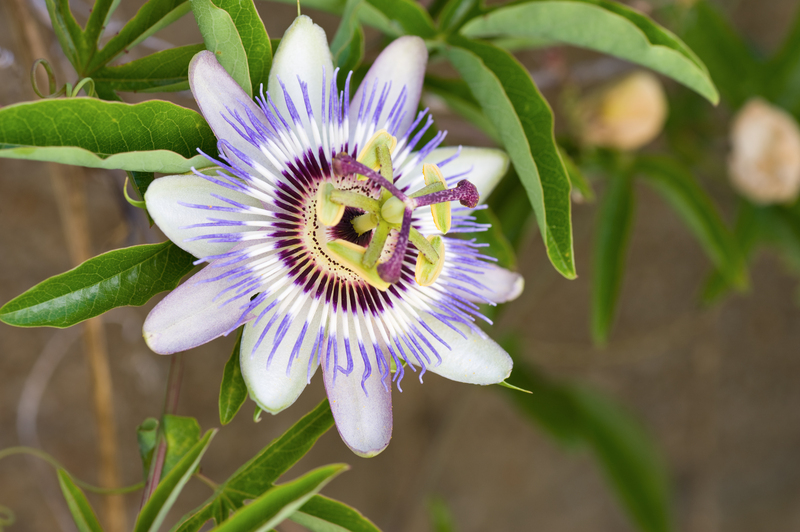
- Vertical accent: Star jasmine on a slim trellis for summer fragrance.
And if you prefer an architectural look, use Bay standards (lollipop-style) or Olives to define "rooms" on a patio. It feels a bit Italian--even in Wolverhampton.
7) Watering and irrigation
Container screens need consistent moisture. Consider:
- Drip irrigation with a battery timer: set-and-forget, especially if you travel.
- Self-watering planters or capillary mats for balconies.
- Ollas (buried clay pots) for gentle, root-level watering in planters 50L+.
Rule of thumb in summer: deep water 2-3 times weekly for large containers, more in heatwaves. In winter, water sparingly but don't let evergreens dry out. Use a moisture meter if you're unsure--it removes guesswork.
8) Feeding and pruning
- Feed: Apply slow-release fertiliser in spring; top up with liquid seaweed every 2-3 weeks from April to August for heavy feeders.
- Prune: For bamboo, thin 1-2 older canes at the base in late spring. For Photinia, clip after flushes to keep density. For jasmine, prune lightly after flowering.
- Repot: Every 2-4 years, root prune 10-15% and refresh a third of the compost. Keeps plants vigorous without upsizing forever.
One client told us, half-laughing, "I thought bamboo would run through the building!" Not clumping bamboo. Choose Fargesia and you're golden.
9) Seasonal care
- Spring: Feed, prune for shape, check irrigation, add mulch.
- Summer: Water consistently, deadhead, and watch for pests (aphids, spider mites in heat).
- Autumn: Reduce feeding, tidy, and secure stakes before storms.
- Winter: Protect tender roots with bubble wrap or hessian; lift pots on feet to prevent freezing to the ground.
On a cold January afternoon, steam rises from a mug while you check ties and brush snow off the olive. Simple ritual. Kinda nice, actually.
Expert Tips
- Think in sequences: Plan evergreen privacy first, then add seasonal flourish. It prevents bare gaps in February.
- Mind the wind tunnel: Stagger tall pots to break gusts; a single wall of foliage can act like a sail.
- Use wheels, carefully: Low-profile, lockable castors under large troughs allow fine-tuning without heavy lifting.
- Salt and sea air: Coastal? Choose Griselinia, Elaeagnus, rosemary, and tough grasses. They shrug off salty winds.
- Layer scent: Star jasmine for summer, winter honeysuckle (Lonicera fragrantissima) for colder months near doors or seating.
- Lightweight, not flimsy: Fibreglass planters with internal ribs give strength without bulk and help manage balcony loads.
- Water harvesting: A slim butt or a simple trug under a downpipe can supply rainwater for weeks. Plants do prefer it.
- Soil boosters: Add biochar and a pinch of rock dust for long-term mineral balance in closed container systems.
- Privacy sight test: Sit where you relax and check for gaps from that exact height. It's astonishing what a 10cm shift in planter position can do.
- Holiday-proofing: Double mulch and set a timer before you go. Write simple instructions for a neighbour--and leave them chocolate. Works wonders.
And yes, pick plants you love. If you adore glossy bay leaves or the silver of olive trees at dusk, you'll care for them more. That's just human.
Common Mistakes to Avoid
- Too-small pots: Starving roots equals stressed plants and poor screening. Go bigger and deeper, especially for evergreens.
- Wrong bamboo: Avoid running Phyllostachys in pots--it can get aggressive and top-heavy. Choose clumping Fargesia.
- Ignoring weight limits: Balconies have finite capacity. Spread loads and avoid clustering everything in one corner.
- Blocked drainage: Trapped water leads to root rot and ugly stains below. Always check outlets and use saucers/trays properly.
- Wind sail effect: Tall, dense foliage in a narrow planter can topple in storms. Use wider bases and strategic spacing.
- Overfeeding late summer: It forces soft growth that winter damages. Ease off from late August.
- Neglecting legal context: Extremely tall screens or aggressive hedging can trigger neighbour disputes or council complaints.
- Holiday droughts: Plants don't take breaks. Without timers or help, you'll return to crispy leaves. Not fun.
Yeah, we've all been there. A rosy plan, then a heatwave. Prepare for it, and you'll be fine.
Case Study or Real-World Example
South London Balcony, 4m x 1.6m - Instant Privacy, Gentle Scent
Hannah and Mo had a bright, windy, south-west facing balcony in Streatham. Beautiful light, but three facing flats and a busy road left them feeling on display. They asked for a simple brief: "Craft Your Own Outdoor Getaway with Tall-Potted Plants Designed for Privacy that we can maintain while both working long hours."
Constraints: No drilling into walls; balcony load limits; high wind exposure; minimal time for care. Budget mid-range.
Solution:
- Installed three fibreglass troughs (120L each) spaced along the balustrade, each with clumping bamboo (Fargesia robusta). Base dressed with river stones for stability and style.
- Added two narrow trellis panels in planters with Trachelospermum jasminoides (star jasmine) for summer scent and extra height without heaviness.
- Fronted with rosemary and dwarf lavender for fragrance and pollinators, plus a line of tall candles for winter evenings.
- Drip irrigation on a timer, set for 6am watering three times per week (adjusted seasonally).
Results: Sightline tests from the sofa showed immediate coverage to 1.9m height with soft movement. The traffic felt reduced (psychoacoustic effect). By June, jasmine was flowering, and they started having breakfast outside again. Six months in, maintenance was 20-30 minutes/month, mainly checking irrigation and light pruning.
Micro moment: Mo messaged a photo one evening: fairy lights woven through the trellis, jasmine glowing after the rain. "Didn't think a rental balcony could feel like this." It can.
Tools, Resources & Recommendations
Plant suggestions for UK privacy in pots
- Evergreen backbone: Fargesia (clumping bamboo), Photinia 'Red Robin', Portuguese laurel (Prunus lusitanica, compact forms), Elaeagnus ebbingei.
- Tall grasses: Calamagrostis x acutiflora 'Karl Foerster', Miscanthus sinensis cultivars, Pennisetum (hardier varieties).
- Climbers for trellis: Trachelospermum jasminoides, Clematis armandii (sheltered), evergreen honeysuckle (Lonicera spp.).
- Architectural features: Olive, bay, Trachycarpus fortunei (windmill palm), juniper 'Skyrocket' for narrow vertical lines.
- Fragrant low layer: Rosemary, lavender, thyme--easy, useful, and bee-friendly.
Container and accessory checklist
- Fibreglass or fibreclay large troughs (100-180L), with feet for airflow.
- Lockable castors or heavy-duty pot caddies for mobility.
- Drip irrigation kit with battery timer and pressure reducer.
- Moisture meter, hand pruners, soft plant ties.
- Peat-free compost, loam/topsoil, perlite/grit, decorative mulch.
- Trellis or obelisks for climbers--attach to planters, not walls, if renting.
- Hessian/bubble wrap for winter root insulation in exposed sites.
Potting mix recipe (repeatable)
- 50% peat-free compost
- 25% loam
- 15% grit/perlite
- 10% bark fines/coir
- Plus slow-release fertiliser and biochar
Tip: If you're placing pots on composite decking, use rubber feet or mats to spread weight and avoid indentation.
Law, Compliance or Industry Standards (UK-focused if applicable)
Crafting privacy with tall-potted plants is wonderfully flexible, but compliance matters. Here's what to keep in mind in the UK:
- Planning rules for height: Traditional fences and walls above 2m often need planning permission (1m adjacent to highways). While plants in pots aren't fences, extremely tall, dense planting used as a screen may attract scrutiny in sensitive settings. Always check local guidance if you're creating a near-permanent screen above typical fence heights.
- High hedges complaints: Under Part 8 of the Anti-social Behaviour Act 2003, neighbours can complain to councils about evergreen hedges over 2m affecting light and amenity. Though potted plants may not be a "he dge," councils consider intent and impact. Keep good relations: plant considerately, prune regularly.
- Balcony load limits: Domestic balconies are typically designed to safely carry specific uniform loads (often around 2.0-2.5 kN/m? under UK/Eurocode guidance such as BS EN 1991). Actual limits vary. Spread weight evenly; avoid point loads. When in doubt, consult your building manager or a structural engineer.
- Drainage and runoff: Don't allow constant overflow onto properties below; it can cause damage and disputes. Use saucers/trays and maintain clear drainage holes.
- Wildlife protection: The Wildlife and Countryside Act 1981 protects nesting birds. Avoid heavy pruning of shrubs/climbers during the nesting season (generally March to August) if birds are active.
- Pesticides: Follow label laws. Where possible, choose biological or cultural controls for pests to avoid chemical drift.
- Fire safety: On apartment balconies, be cautious with candles or BBQs near dry plants. Some developments prohibit open flames--check building rules.
This isn't legal advice. It's practical, lived experience. If something feels borderline, ask your local authority or management company early--saves headaches later.
Checklist
- Define 2-3 key sightlines to block (target height 1.6-2.2m).
- Measure space, note sun/wind exposure, and weigh balcony constraints.
- Choose container sizes: aim for 45-60L per large plant, larger for trees.
- Use a robust peat-free mix with grit, plus slow-release fertiliser and mulch.
- Select evergreen anchors first, then add grasses, herbs, and climbers.
- Install drip irrigation or plan a reliable watering routine.
- Stagger containers to reduce wind tunnelling and close sightline gaps.
- Set a seasonal care plan: spring feed, summer water, winter protect.
- Keep neighbours in mind; prune before screens become a grievance.
- Enjoy the space. It's yours--use it morning, noon, and starlight.
Conclusion with CTA
When you Craft Your Own Outdoor Getaway with Tall-Potted Plants Designed for Privacy, you're not just putting pots on a patio. You're drawing a boundary with beauty and intention. You're tuning wind and light, inviting birds, and shaping a space where you can breathe. To be fair, it takes thought at the start--but once the green curtain settles in, you'll wonder how you lived without it.
Whether you want instant coverage with bamboo and jasmine, a structured Mediterranean feel with olives and bay, or a wildlife-rich tapestry of grasses and herbs, there's a solution that fits your budget and your life. Start small, or go big. Just start.
Get a free quote today and see how much you can save.
And when the evening air is soft and the jasmine is just beginning to open--you'll know you did the right thing.
FAQ
What are the best tall-potted plants for privacy in the UK?
Reliable choices include clumping bamboo (Fargesia), Photinia 'Red Robin', Portuguese laurel (Prunus lusitanica), Elaeagnus ebbingei, olives, bay, and tall grasses like Calamagrostis. For vertical fragrance, add star jasmine on a trellis. These deliver height, density, and year-round interest when mixed well.
How big should the pots be for a proper screening effect?
Go larger than you think. Aim for 45-60L per large plant as a minimum; 80-100L is better for trees or long-term evergreens. Larger volumes buffer moisture and wind, reduce tipping risk, and lead to healthier, denser screens.
Can I use bamboo without it becoming invasive?
Yes--choose clumping bamboo (e.g., Fargesia species). Avoid running types like many Phyllostachys. Use wide, heavy planters, thin older canes each year, and water consistently. You get elegant movement without headaches.
How many plants do I need per metre of screening?
It depends on species and pot size. For bamboo or Photinia in troughs, 2-3 plants per metre often gives solid coverage within a season or two. For climbers on trellis, one plant per 60-90cm is typical. Staggering helps fill gaps faster.
What's the best watering routine for tall containers?
Deep, infrequent watering beats daily trickles. In summer, water 2-3 times weekly; increase during heatwaves. In winter, water lightly when dry (evergreens still transpire). Drip irrigation with a timer is ideal for consistency and holidays.
Will tall planters be too heavy for my balcony?
They can be if overloaded. Use lightweight containers and spread weight evenly. A typical balcony has a design load limit; check with your building manager. If in doubt, choose multiple medium planters over one huge specimen, and avoid clustering everything in one corner.
Which plants work for windy, exposed sites?
Try Fargesia bamboo, Calamagrostis grasses, Elaeagnus ebbingei, rosemary, and Trachycarpus fortunei. Use wider, heavier planters, stagger positions, and secure trellis frames to planters rather than railings.
Are there low-allergen options for privacy?
Yes. Many evergreens like bay and olive are relatively low-allergen. Grasses can release pollen, but varieties like Calamagrostis tend to be less troublesome than some others. Flowering climbers like star jasmine are usually well tolerated, though individual sensitivities vary.
How much maintenance do tall-potted screens need?
Expect 15-45 minutes per week in peak season for watering checks and light tidying, plus seasonal tasks: spring feeding, occasional pruning, and winter protection in exposed spots. With a drip system, it can drop to 10 minutes weekly.
Can I get quick results this season?
Yes. Combine a few semi-mature plants (e.g., 100L olive or dense bamboo clumps) with fast fillers like grasses and climbers. You'll see meaningful screening within weeks and full effect by late summer, depending on timing and weather.
What about privacy in shade or north-facing areas?
Choose shade-tolerant options: Fargesia (does fine in part shade), Aucuba, Sarcococca (fragrant winter flowers), and evergreen ferns for lower layers. Avoid sun-lovers like olives in deep shade; they'll sulk.
Is there a budget-friendly way to start?
Start with fewer, larger troughs and plant them well, rather than many small pots. Mix one or two hero plants (like Photinia) with cost-effective grasses and herbs. You can always add climbers next season. It's a journey, not a race.
Are tall-potted plants suitable for renters?
Absolutely. That's one of the biggest advantages. You can create privacy without permanent fixtures, avoid drilling, and take your investment with you when you move. Use planter-mounted trellises and castors for flexibility.
How do I keep neighbours onside?
Plant considerately. Avoid highly invasive species, prune regularly to prevent towering screens, manage runoff, and keep shared areas tidy. A quick chat and a promise to maintain height goes a long way. Maybe share herbs, too.
What if my space is tiny--like 1m deep?
Use narrow but tall troughs (at least 35-45cm wide for stability) and vertical climbers on slim trellis. Trachelospermum with a compact bamboo behind creates a strong screen in very little footprint. Keep furniture slimline and foldable.
Can tall-potted plants reduce noise?
They won't soundproof like a wall, but dense foliage helps diffuse and psychologically soften noise. Many people report spaces feeling quieter and calmer once greenery is installed. Combine with outdoor textiles for extra dampening.
What's the best feeding schedule?
In containers, mix slow-release fertiliser in spring and supplement with liquid seaweed every few weeks from April to August for heavy feeders. Stop feeding in late summer to avoid soft growth before winter.
Will star jasmine survive UK winters in a pot?
In most of southern UK, yes--especially if sheltered and in a decent-sized container. In colder areas, protect roots with insulation and position out of prevailing winds. Choose hardy varieties and avoid waterlogged compost in winter.
Can I use greywater for irrigation?
Occasionally, yes--from baths without harsh detergents--but not as a full-time solution. Many soaps and cleaners harm soil biology. When possible, harvest rainwater or use tap water and keep it simple.
How do I stop planters staining my balcony?
Use pot feet, saucers, or trays to keep bases off the floor. Choose planters with clean drainage and use decorative gravel to reduce splashes. Periodically flush salts through and wipe bases after heavy rain.
What if I'm overwhelmed choosing plants?
Start with three: an evergreen anchor (Photinia or Fargesia), a tall grass (Calamagrostis), and a scented climber (star jasmine). See how they feel. Add more once you've lived with them a month. Simple first, layered later.
Bring Privacy and Elegance Together with Carefully Chosen Tall-Potted Plants and the rest of your outdoor life tends to follow. A cup of tea tastes better when no one's peering in. Funny how that works.